
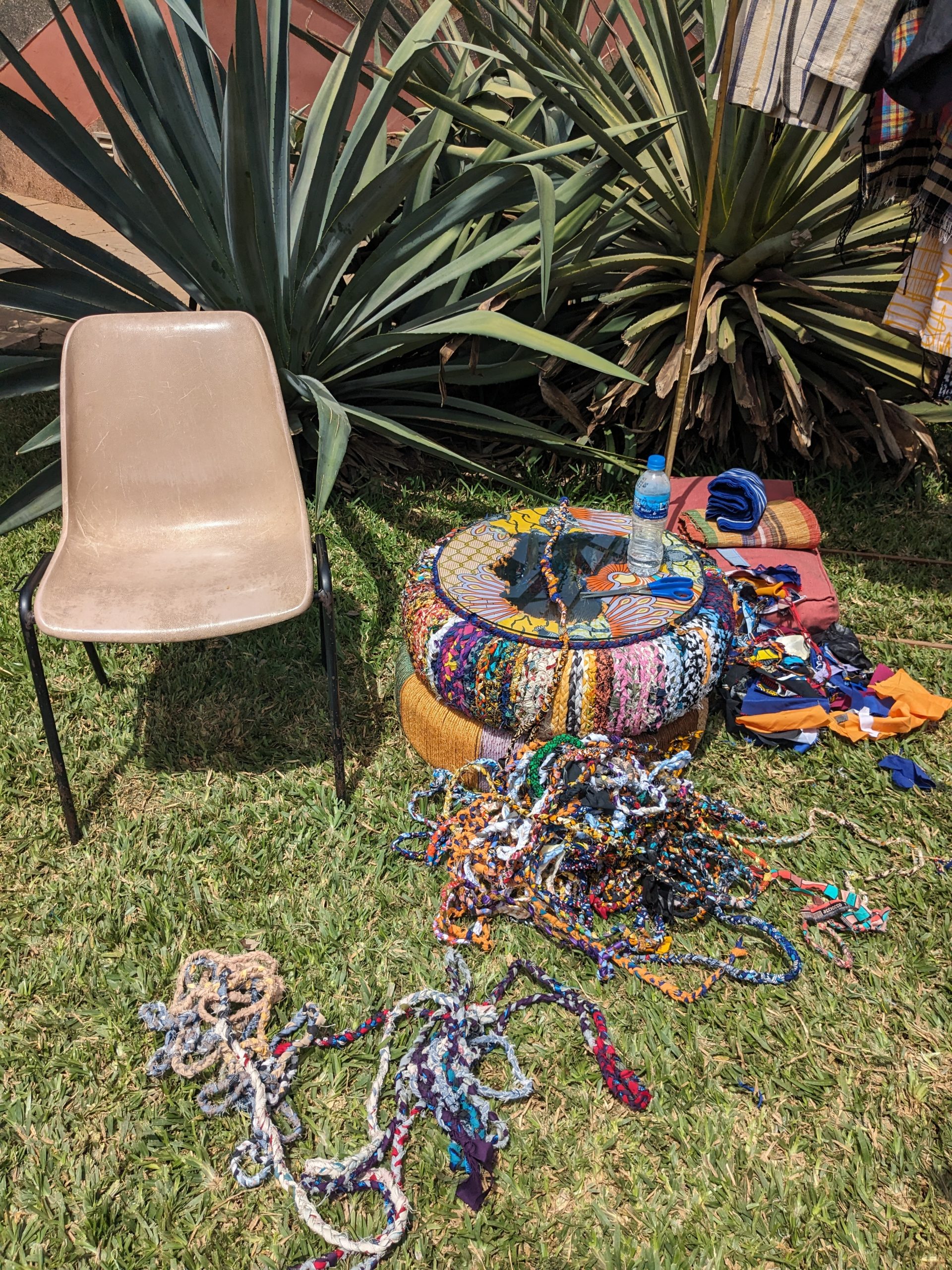
Global Recycling Day is on Wednesday 18th March, but how much do you really know about our waste? How much we create in our lifetime, and what responsible disposal really looks like?
If we calculate the lifetime waste of an average 65-year-old, they will have created approximately 37,440kg of general waste and that doesn’t even include plastic, paper, cans, glass, and food waste. One hundred years ago, our waste looked very different. With less consumerism and minimal packaging, it would have consisted mainly of ash, paper, and glass, with almost no plastic at all.
In fact, over the last 10 years, we have created more plastic than in the previous 100. Yet only around 9% of all plastic worldwide is recycled, so it’s easy to see how life’s conveniences are having huge consequences for our planet and health.
These consequences can feel distant in places where we have structured waste systems and weekly collections. Our rubbish disappears, out of sight and out of mind. But this is not the reality everywhere. Even in England, cities like Birmingham have experienced disruption to bin collections, leading to increased pest control issues, more waste going to landfill, rising fly-tipping, and added financial pressure on local authorities. Situations like this reveal just how dependent we are on these services.
But what if they didn’t exist at all? What would our villages, towns, and cities look like? How would they cope with the growing demand?
This is the situation currently being faced in The Gambia.
Having recently worked on a waste project focused not only on better waste management but also on waste reduction, it was clear how easily any country could find itself in a similar position. Long-term behaviours have led to waste being dumped in streets or burned when piles become unmanageable. Is this purely due to limited infrastructure? Or is a shift in attitude also required? The answer is both.
We cannot drive meaningful change without tackling multiple aspects of the problem simultaneously. As part of the project Climate Education contributed to, we worked alongside local government on infrastructure, policy change, and awareness, while also bringing businesses together to rethink product design, sustainable materials, and waste management practices.
However, the greatest area of need was education, and not just for children. Education is the foundation for long-term, sustainable change. We had to start with the basics: understanding why waste management matters, the importance of segregation, and the environmental and health impacts of getting it wrong.
It will take time for new habits to become second nature. Infrastructure must catch up with demand. The positive impacts will not be immediate. But change has to start somewhere and the sooner it starts, the better for everyone.
Therefore, here at home, we cannot sit back and assume someone else will deal with our litter or manage our waste simply because it’s inconvenient for us. Waste is not someone else’s problem it affects us all. Climate Education is working hard to spread this message, providing schools with practical advice, hands-on resources, and meaningful solutions to make waste something we all care about, taking personal responsibility, and enabling real change to happen.
Not a member yet? You can get started with a free membership to explore selected resources or why not become a full member to unlock all the benefits Climate Education has to offer. Our memberships – Climate Education
*Information sources – Waste Clock – Education, WRAP – The Global Environmental Action NGO


