
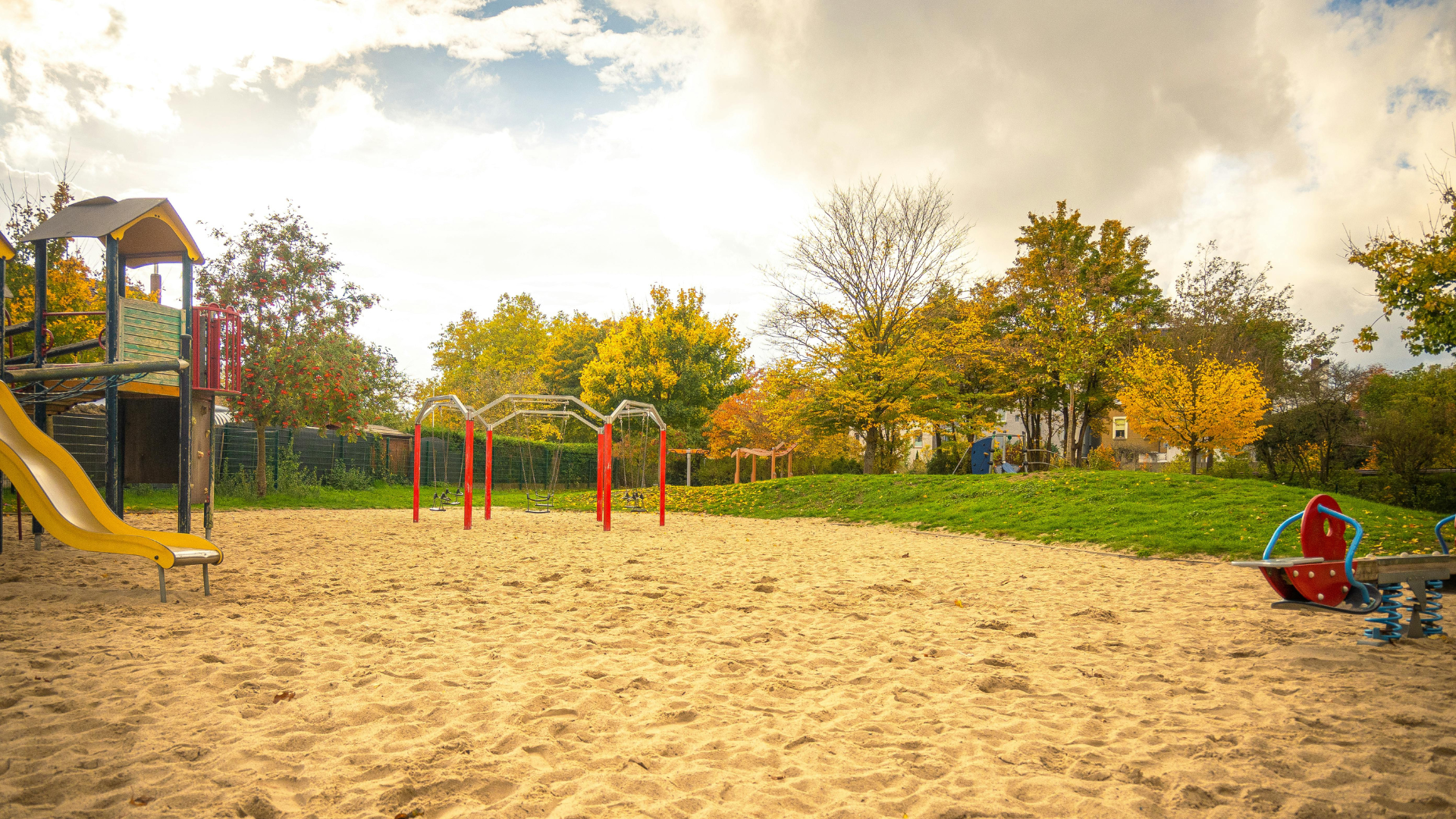
Your school grounds have the potential to be much more than a place for playtime.
With the right approach, outdoor spaces can support learning, improve biodiversity, increase climate resilience and create healthier, more engaging environments for pupils and staff.
Think Beyond Individual Projects
Many schools have excellent intentions when improving their grounds. They install raised beds, create growing areas or introduce wildlife features, only to discover later that they are difficult to maintain or are not being used as intended.
A successful outdoor space starts with understanding how your whole site works.
Ask yourself:
- How are different areas currently being used?
- Which spaces are underused?
- Where are your hottest, wettest or most exposed areas?
- How could outdoor spaces better support teaching and learning?
- What opportunities exist for biodiversity and habitat creation?
Taking a whole-site approach helps ensure every improvement supports your school’s long-term goals.
Establish Your Baseline
Before making changes, understand what you already have.
Creating a baseline allows you to measure progress and identify opportunities for improvement. This can include:
- Mapping existing habitats
- Recording areas of hard standing and green space
- Identifying current wildlife on site
- Assessing climate risks such as flooding, overheating or water scarcity
- Reviewing how pupils and staff use outdoor spaces
Understanding your starting point makes it easier to prioritise actions and demonstrate impact over time.
Get Pupils Involved
School grounds development offers a powerful opportunity for pupil participation.
Involving young people in habitat mapping, biodiversity surveys and site investigations helps build confidence, develop green skills and foster a sense of ownership over their environment.
Simple activities might include:
- Surveying plants and wildlife
- Mapping habitats around the school
- Monitoring pollinators
- Recording seasonal changes
- Identifying areas that could be improved
When pupils contribute to the process, they become active participants in creating positive change.
Create Spaces That Work Harder
Every area of your site should have a purpose.
Consider how outdoor spaces can support multiple outcomes at once. For example:
- A hedge can improve biodiversity, absorb pollution and create privacy.
- A pond can support wildlife, outdoor learning and water management.
- Wildflower areas can increase pollinator numbers while creating opportunities for curriculum-linked learning.
- Trees can provide shade, improve biodiversity and help schools adapt to rising temperatures.
The most effective school grounds are those where learning, nature and climate resilience work together.
Start Small and Build Momentum
You do not need a large budget or major redevelopment project to make a difference.
Many impactful improvements can be introduced gradually, including:
- Creating bug hotels
- Installing bird or bat boxes
- Planting native species
- Introducing a bucket pond
- Developing sensory planting areas
- Creating dead hedges using existing materials
- Allowing selected areas to grow naturally during the summer months
- Installing rainwater collection systems
Small projects can create valuable habitats while helping pupils understand the role they can play in protecting nature.
Plan for Climate Resilience
As schools experience more extreme weather, climate resilience should be part of every site development discussion.
Look at how your grounds respond to:
- Heavy rainfall and flooding
- Heat and lack of shade
- Water scarcity
- Biodiversity loss
Nature-based solutions can often address these challenges while delivering wider educational and environmental benefits.
For example, rain gardens and sustainable drainage systems can help manage excess water, while drought-tolerant planting can reduce maintenance requirements and improve resilience during warmer periods.
Measure and Celebrate Progress
The most successful projects are those that can demonstrate impact. You can track changes over time by recording:
- New habitats created
- Species observed
- Pupil engagement
- Biodiversity improvements
- Climate adaptation measures implemented
Even small changes can create meaningful outcomes when they are monitored and celebrated.
Five Actions You Can Take This Term
- Walk your site and identify underused spaces.
- Create a simple habitat and biodiversity baseline.
- Involve pupils in surveying wildlife and outdoor spaces.
- Identify one nature-based improvement that supports both biodiversity and learning.
- Develop a plan that connects individual projects into a longer-term vision for your grounds.
Begin with a free Climate Conversation
Every school is different. Your buildings, pupils, community, resources and priorities all shape what an effective climate action plan should look like.
Book a free 30-minute Climate Conversation with Climate Education to discuss your school’s individual needs. Whether you are starting a new climate action plan, reviewing an existing one or working through a particular challenge, the conversation will help you identify practical next steps.
Begin your free Climate Conversation today
This article was generated from the learnings at our joint webinar with National Education Nature Parks


