
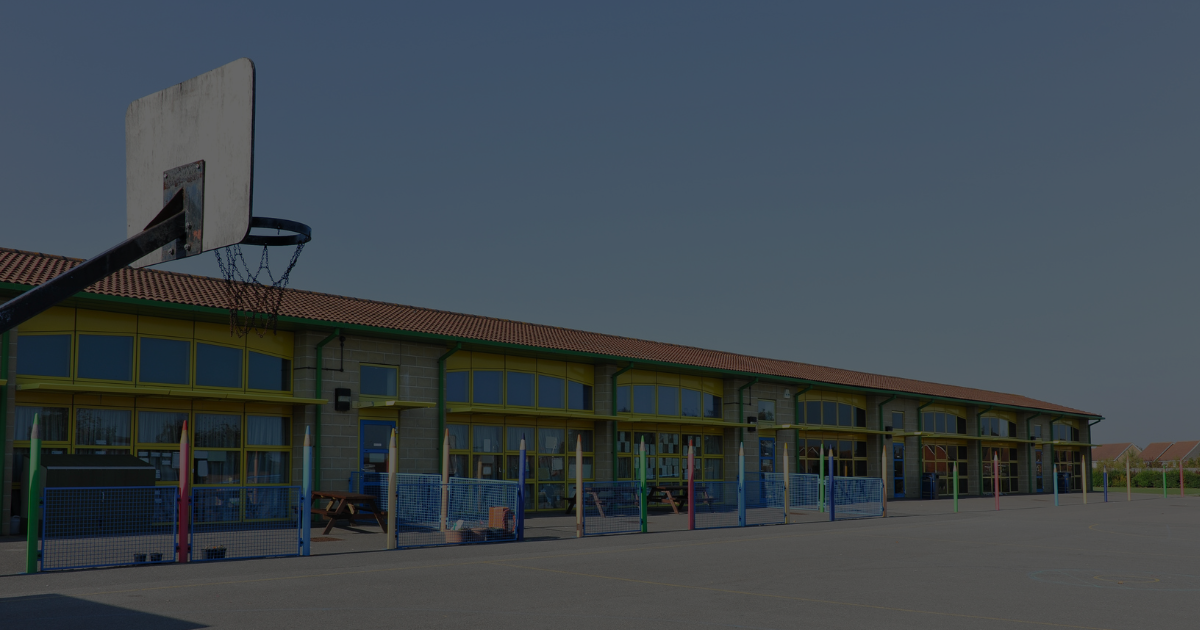
Across the UK, this summer’s heatwave has pushed many schools beyond what their buildings and routines can comfortably handle. Classrooms have reached temperatures that make concentration difficult, playgrounds offer little shade, and in some cases schools have reduced hours or closed early. The result is lost learning time, additional pressure on staff, and growing concern from parents.
As these events become more and more common, it’s showing a clear signal that adaptation and resilience, a key part of the Department for Education’s climate strategy, needs to move higher up the agenda for every school.
Why heat is now a school issue
Many school buildings were not designed for prolonged periods of high heat. Even newer builds can struggle. Large windows without shading, limited ventilation, and materials that retain heat can quickly turn classrooms into uncomfortable spaces.
The impact is immediate and practical:
- Students find it harder to focus and retain information
- Staff wellbeing is affected, especially in afternoon sessions
- Equipment can overheat or become unreliable
- School routines are disrupted, from assemblies to PE
When schools close early, the consequences extend further. Parents face childcare challenges and pupils miss structured learning. This is where resilience planning becomes essential rather than optional.
Adaptation and resilience in practice
Adaptation is about adjusting to current and future climate conditions. Resilience is about ensuring your school can continue to operate effectively during those conditions.
For heat, that can include:
- Increasing shaded areas in playgrounds and outdoor learning spaces
- Improving ventilation, both natural and mechanical
- Reviewing timetables during extreme weather
- Embedding heat awareness into school policies
- Making better use of outdoor areas at cooler times of day
- Create a climate risk assessment to anticipate further needs in the future
Some of these are quick changes. Others require longer term thinking about your site and how it evolves over time.
Supporting your staff and pupils right now
Many schools are already taking action on sustainability, but heat resilience often falls between areas. It can sit partly with estates, partly with safeguarding, and partly with curriculum. Without a clear plan, action becomes reactive, only happening when the hot weather arrives
While longer term planning is essential, there are practical steps schools can take immediately to protect their communities during hot weather.
A good starting point is building awareness. Staff need to recognise early signs of heat stress and understand simple ways to reduce risk. You can support this with a free, practical sun-guarding training resource: https://sunguarding.thinkific.com/courses/Sunguarding
It is quick to complete and gives staff clear, actionable guidance that can be applied straight away in the classroom and outdoors.
Planning beyond the heatwave
Short term fixes are only part of the solution. Schools need a clear, joined up school site development plan for how their site will respond to a changing climate.
This is where a structured approach can make a significant difference. Instead of isolated improvements, you can map out how your buildings and grounds will develop over time to support:
- Cooler, safer learning environments
- Reduced energy demand
- Improved outdoor spaces for learning and wellbeing
- Greater resilience to both heat and extreme weather
A strong site development plan helps you prioritise investment, align with your climate action plan, and demonstrate clear progress.
A practical next step
If this week’s heat has highlighted gaps in your school’s preparedness, it is the right time to act.
Our School Site Development Plan tool is designed to help schools take that next step. It supports you to:
- Assess how your current site responds to climate risks
- Identify practical improvements for heat resilience
- Plan changes in a way that is manageable and realistic
- Align estates decisions with your wider climate strategy
You can explore it here:
https://www.climateeducation.co.uk/product/school-site-development-plan/
Moving forward
Heatwaves are no longer rare disruptions. They are becoming part of the school year. The schools that respond most effectively will be those that plan ahead, take small steps now, and build resilience over time.


